Which cycling glasses should you choose? S’portofino ranking
- S'portofino Editorial
- 03/18/2026
- You'll read the text in 15 minutes

In this article:
- Why is it worth investing in good cycling glasses?
- How to choose cycling glasses?
- What technologies are used in cycling glasses?
- Prescription glasses for cycling
- What glasses should you choose for road cycling?
- What kind of glasses should you wear for MTB?
- Rudy Project cycling glasses
- POC Cycling Glasses
- What cycling glasses to choose – summary
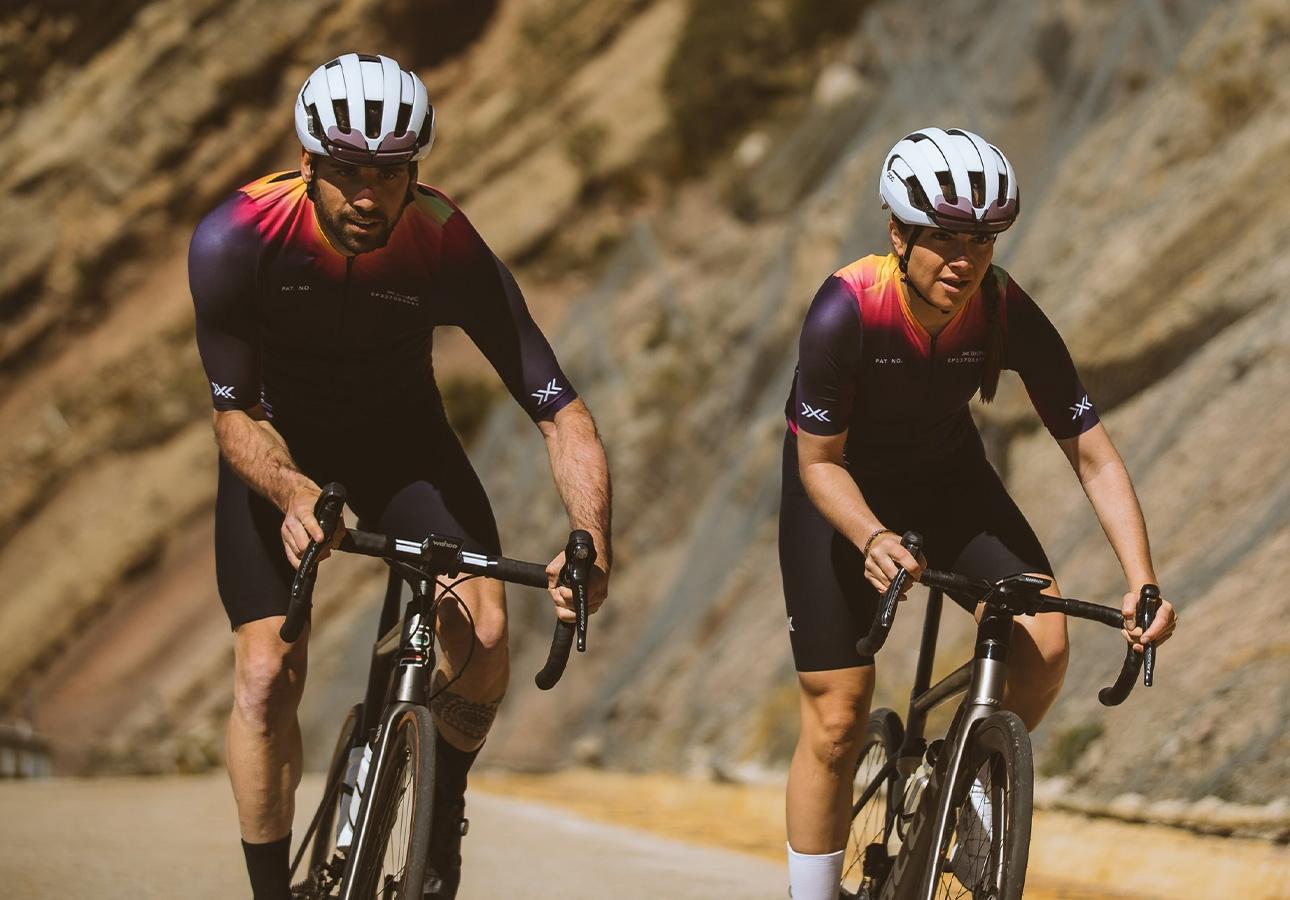
The wind in your hair, gentle rays of sunshine on your skin, and new bike routes waiting to be discovered. Cycling is an amazing adventure, but sometimes the gentle rays of sunshine turn into harsh ones, and the wind picks up. Insects and dust don't make the task any easier. It's worth remembering that the cheapest glasses may not provide full protection and may not meet safety standards. This is where reliable cycling glasses come in. However, choosing them is not so obvious – photochromic, polarized, or contrast cycling glasses? It can be confusing. So what should you consider when choosing glasses? We have prepared a guide and a list of the best cycling glasses for you, which will ensure your safety and increase your comfort while cycling.
Why is it worth investing in good cycling glasses?
A helmet is essential equipment for cyclists, and everyone who rides a bike knows that they should have one. Glasses, however, are a slightly less obvious accessory, but just as important. After all, protecting your eyes, especially during long and difficult rides, is extremely important. Cycling glasses should be made of high-quality materials to provide effective protection for your eyes against mechanical damage, such as stones, mud, insects, or wind. Good cycling glasses should provide an adequate field of vision and fit well with your helmet. Why might regular sunglasses not be sufficient? Because they do not provide the same stability as specialized glasses, and on bumpier routes they can limit your field of vision. Good cycling glasses undergo rigorous testing for resistance to cracks and scratches, which translates into user safety. Therefore, if you are starting your adventure with road cycling, MTB, or gravel biking, it is worth checking out the offerings of cycling brands.
How to choose cycling glasses?
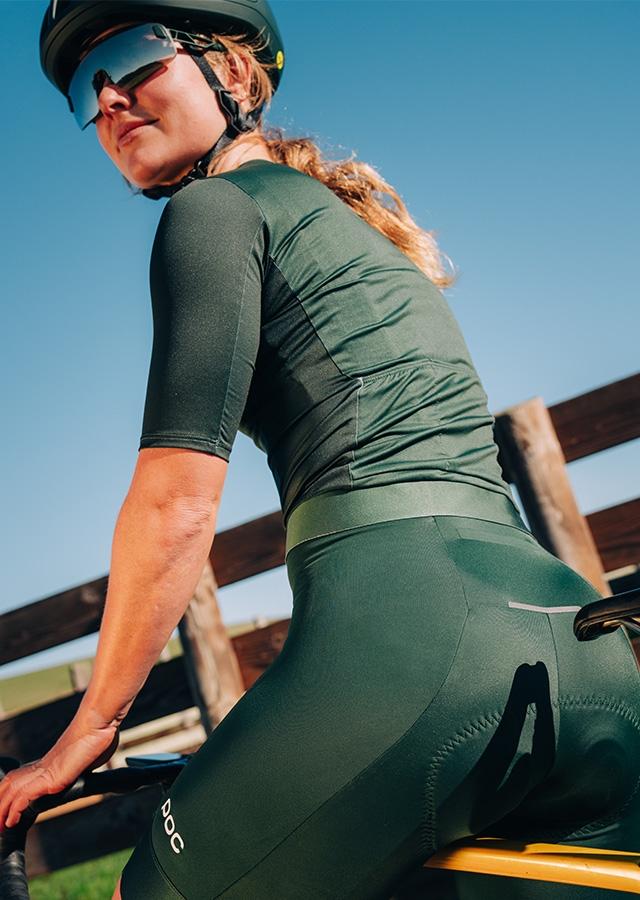
Cycling glasses are an important piece of equipment for every cyclist, as they not only affect riding comfort, but above all safety and quality of vision. Well-chosen glasses protect the eyes from harmful ultraviolet radiation, wind, dust, insects, and small stones flying up from under the wheels, while improving contrast and reducing glare. The choice of cycling glasses is crucial for comfort and safety while riding.
What glasses should you choose depending on the shape of your face? Cycling glasses should provide a perfect fit – the frames should be properly adjusted to the shape of the user's face and anatomy, and adjustable nose pads and temples allow for a precise fit, which translates into comfort and effective eye protection while riding. Comfort is also enhanced by adequate ventilation and ease of use, which contributes to safety and enjoyment while riding. It is important that the glasses stay securely on the head even during dynamic riding and do not slip when leaning forward. Wide lenses or a “wrap” design provide better side protection and a wide field of vision, which is particularly important at high speeds and off-road. Lenses play a key role. Regardless of the model, cycling glasses must provide 100% protection against UVA and UVB radiation. Light transmission in lenses is important because different levels of light transmission affect comfort and safety in changing weather conditions. It is worth matching the color of the lenses to the conditions in which we ride most often. Gray or smoke lenses work well in full sun because they do not distort colors, while brown or amber lenses improve contrast and are a good choice in changing light conditions. Yellow and orange lenses facilitate vision in cloudy weather or at dusk, while transparent lenses are suitable for night riding. Photochromic lenses, which automatically adjust the degree of tinting to the intensity of light, are a very versatile and universal solution.
It is also worth paying attention to additional technologies. Polarized lenses reduce glare from asphalt or wet surfaces, which improves comfort, although in some cases they can make it difficult to read bike computer screens. Modern cycling glasses use advanced solutions, such as special coatings on the lenses that prevent fogging, protect against scratches, and provide hydrophobic properties, increasing the durability and functionality of the glasses.
The material from which the glasses are made is important for their durability and weight. The most commonly used materials are lightweight and impact-resistant polycarbonate or Trivex lenses and flexible frames made of materials such as TR90 or nylon. The frames should be properly fitted to the shape of the face and provide stability while riding. Rubber elements on the nose and temples increase grip and prevent the glasses from moving while riding.
When choosing cycling glasses, it is also worth considering your riding style, e.g., MTB, enduro, or road riding, as this will influence your choice of glasses and their functionality. Some models are better for road cyclists who prioritize aerodynamics and low weight, while others are better for off-road riders who need durability and protection from mud and branches. Regardless of the intended use, the best solution is to try on the glasses and check how they behave on your head during movements typical for cycling, in order to match them to your needs.
What technologies are used in cycling glasses?
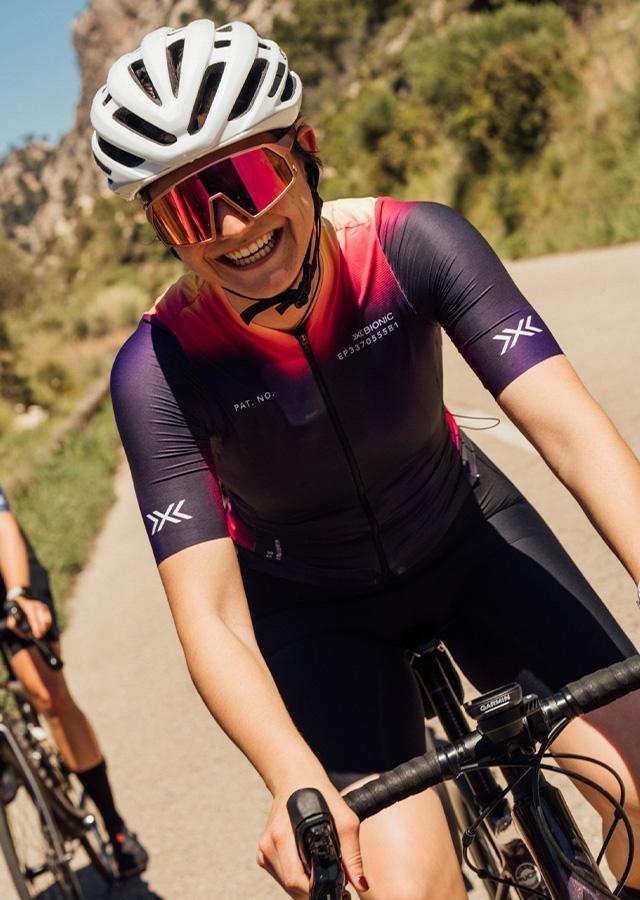
The technologies used in cycling glasses are constantly being developed to ensure the best possible eye protection and comfort while riding. One of the most advanced solutions is photochromic lenses (S1-S3), which darken in the sun and lighten in the shade, automatically adjusting the degree of tinting to the intensity of the light. This makes them suitable for use in full sun as well as in changing light conditions, such as in the forest or when riding at dusk. Another important technology is polarization. Polarized lenses eliminate annoying glare from asphalt, water, or wet surfaces, which significantly improves visual comfort and prevents temporary blindness on the road. The UV400 filter also plays an important role, protecting the eyes from harmful UVA and UVB radiation. Although this filter is used in most cycling glasses, differences in the quality of workmanship have a direct impact on the effectiveness of eye protection. Modern cycling glasses also feature special coatings that protect the lenses from scratches and fogging and give them hydrophobic properties, which increases the durability and functionality of the glasses. In addition, anti-reflective coatings reduce light reflections, and anti-fog technology limits fogging during intense exercise and changing weather conditions. Lenses that improve contrast and visual acuity are also becoming more common, making it easier to quickly spot uneven terrain, obstacles, and changes in surface conditions. It is worth paying attention to light transmission, which is crucial for comfort and safety when riding in different weather conditions. The S3 tint category is ideal for bright sunlight, while S1/S2 is suitable for cloudy days. Advanced solutions also include glasses with interchangeable lenses, which allow you to easily change lenses depending on the lighting conditions. Such versatile solutions are particularly practical for those looking for universal and economical glasses for different conditions.
Prescription glasses for cycling
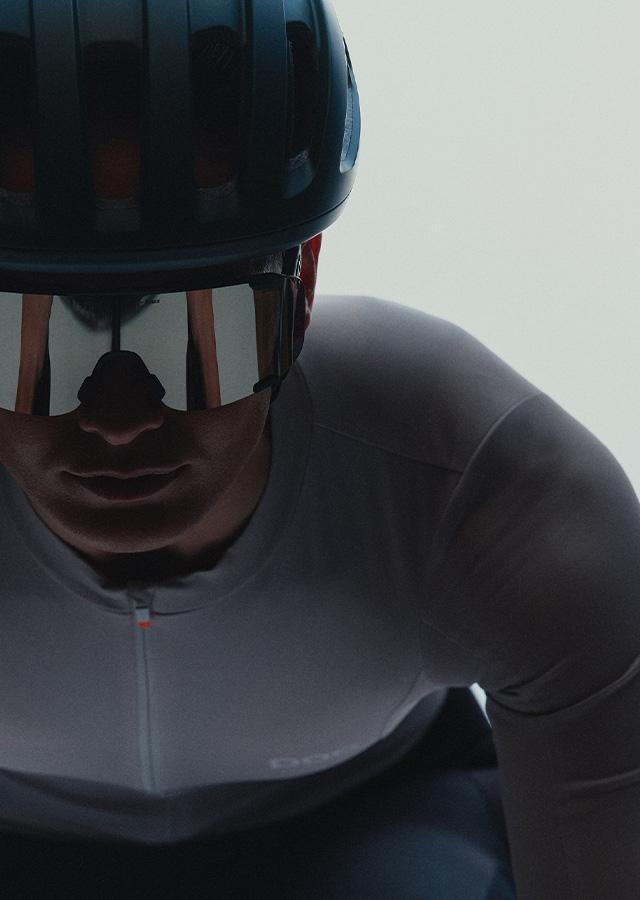
For people with vision problems, choosing the right glasses for cycling is the key to comfortable and safe riding. Prescription glasses for cycling have been designed with the specific needs of cyclists in mind. They combine precisely selected corrective lenses with the functionality typical of sports glasses. This allows you to enjoy sharp vision throughout your ride, whether you are a fan of city paths or mountain trails.
Good prescription glasses for cycling are distinguished by their lightweight, ergonomic design and wide field of vision, which allows you to freely observe your surroundings and react quickly to changing road conditions. The frames are designed to work perfectly with a bike helmet and not cause discomfort even during long rides. High-quality prescription lenses not only ensure sharp vision, but also effective protection against wind, dust, and insects. Prescription glasses equipped with photochromic lenses are becoming increasingly popular. This solution allows the glasses to automatically adapt to changing light conditions – they brighten in low light and darken in full sun. This is particularly practical when driving in different weather conditions, when you don't want to carry several pairs of glasses with you.
It is also worth paying attention to models with additional anti-reflective and scratch-resistant coatings, which increase durability and comfort of use. Thanks to modern technologies, prescription glasses for cycling can be as advanced as the best sports glasses, providing a wide field of vision, comfort, and effective eye protection during every cycling trip.
What glasses should you choose for road cycling?
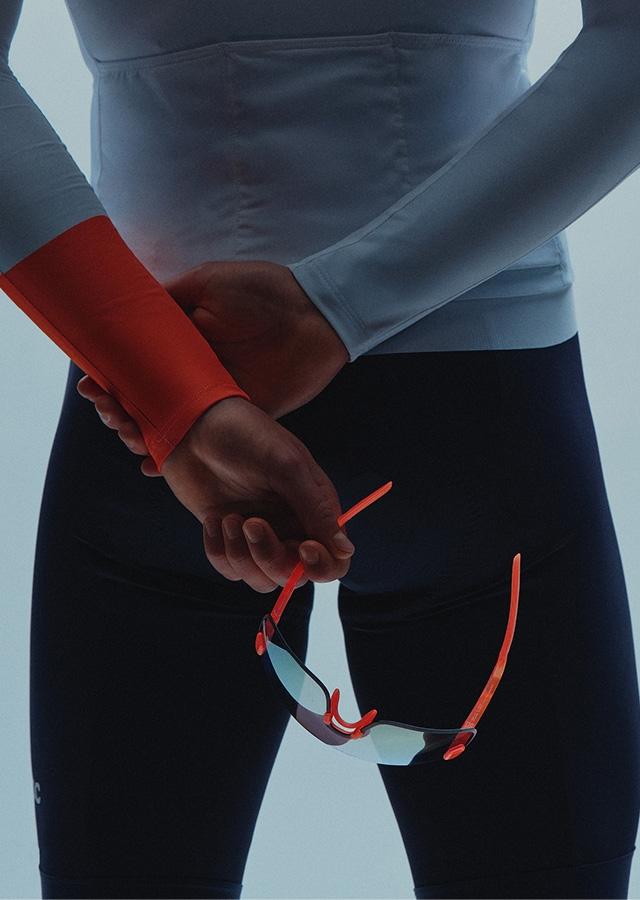
When choosing glasses for road cycling, it is worth focusing on several features that translate into comfort and safety while riding. Road cycling glasses primarily protect the eyes from UV radiation, wind, dust, insects, and small stones, which is especially important at high speeds and on long routes. Good models offer a UV400 filter that blocks both UVA and UVB rays, as well as wider lenses or a wrap-around design that increases the field of vision and protection on the sides of the eyes.
The shape of the lenses is important not only for protection but also for visibility. Panoramic lenses provide a better field of vision when riding in the reclined position typical of road cycling. Models with minimal frames or frameless models are more often chosen by cyclists because they do not restrict visibility of the road.
The type and color of lenses are mainly selected according to the lighting conditions in which you ride most often. For sunny days, S3 lenses are ideal, as they transmit a small amount of light (8-18%) and reduce glare from the sun. If you train in changing light conditions or often ride at dawn or dusk, consider photochromic lenses, which automatically adjust their tint to the intensity of the light. For those riding on asphalt with reflective light, a polarized lens can provide additional benefits by reducing glare, thereby improving visual comfort. Equally important is the stability and fit of the glasses to the face and helmet. Non-slip nose pads and temples, lightweight materials such as Grilamid TR-90, and adequate ventilation prevent fogging even during intense riding. The glasses should be comfortable even after several hours of riding and should not shift during rapid changes in position.
If you regularly ride long distances or plan to train intensively, consider models with interchangeable lenses that allow you to adapt your glasses to different weather conditions. For people with vision impairments, glasses with corrective inserts are available, allowing you to wear prescription lenses without compromising on protection and visibility.

What kind of glasses should you wear for MTB?
When choosing glasses for MTB, i.e., mountain biking, it is worth remembering that off-road riding has different requirements than riding on asphalt. On the trail, your eyes are exposed not only to the sun, but also to wind, dust, mud, insects, and branches, so the right model of glasses can significantly improve your safety and comfort while riding.
For MTB riding, glasses with an extended field of vision and large panoramic lenses are best, as they protect your eyes from virtually every angle and allow you to follow the trail even when you are leaning heavily over the handlebars. The lenses should have full UV400 protection and be impact and scratch resistant, which is especially important on more difficult trails where small chips or stones can hit your glasses.
The design of MTB glasses often provides a good fit and stable hold on the face, which means non-slip nose pads and temples, as well as lightweight but durable materials that will not squeeze or shift even when jumping and bouncing on the trail. Ventilation is another important aspect. Well-ventilated glasses reduce lens fogging, which increases visual comfort during intense riding and temperature changes.
The color of the lenses is selected depending on the lighting conditions. In full sun, tinted or polarized lenses work well to reduce glare and light reflections, while in the forest or in changing light, contrast-enhancing lenses (e.g., amber or orange) often work better, helping you spot roots, rocks, and uneven terrain more quickly. Photochromic lenses are also becoming increasingly popular, as they automatically adjust the degree of tint to the light conditions and allow you to ride without having to change glasses during the day.
If you ride in really demanding terrain, some MTB models also offer interchangeable lenses for different conditions and options compatible with prescription inserts or contact lenses, which is useful if you have a vision impairment.
Rudy Project cycling glasses
Rudy Project is an Italian brand that was founded in 1985 in Treviso, Italy, and quickly became one of the most recognizable sports eyewear manufacturers in the world. Initially, the company focused on innovative sunglasses for cyclists, and over time expanded its range to include models for many disciplines – from road cycling and MTB, through triathlon, to sports and outdoor activities – attracting the attention of not only professionals but also enthusiasts. Rudy Project cycling glasses feature advanced optical and structural technologies that provide protection and comfort in all conditions. RP Optics and ImpactX photochromic lenses offer high impact resistance, excellent image clarity, and full UV400 protection, reducing glare and improving contrast, making it easier to react quickly to changes in terrain and light conditions. Many models feature Quick Change Systems and adjustable nose pads and temples that allow you to customize your glasses to your individual needs and ensure a stable fit even during intense riding. Rudy Project also ensures comfortable ventilation, which reduces fogging and improves visibility.
The brand offers a wide range of cycling glasses, from universal models for everyday training, through advanced photochromic glasses, to premium options for demanding cyclists. Here are some recommended Rudy Project models:
Rudy Project Kelion – a sporty model with large panoramic lenses and ImpactX 2 photochromic lenses, ideal for riding in changing light conditions, providing a wide field of vision and high eye protection.
Rudy Project Cutline – versatile glasses with a modern design, available with various lenses (including photochromic), great for both road and mountain biking during daily training.
Rudy Project Defender – a model combining sporty character with comfort of use. Available with photochromic or multi-layer lenses, perfect for long rides and intense training. This model features adjustable nose pads and temples, a wide field of vision, protective bumpers, and Power Flow ventilation for safety and comfort.
Rudy Project Spin Shield. A good option for cyclists looking for strong protection and a stylish, sporty look. The glasses provide unlimited eye protection and excellent comfort thanks to wide, curved lenses with a deep horizon, ultra-grippy rubber tips, and nose pads. At the same time, they ensure a precise and stable fit thanks to the ergonomic geometry of the temples.
Rudy Project Delta Beat. The frame is made of innovative Rilsan Clear® material, ensuring lightness and durability. The glasses offer a deep, stable fit thanks to their refined geometry, adjustable ErgoNose system, and rubber temples. The PowerFlow ventilation system effectively reduces fogging.
POC Cycling Glasses
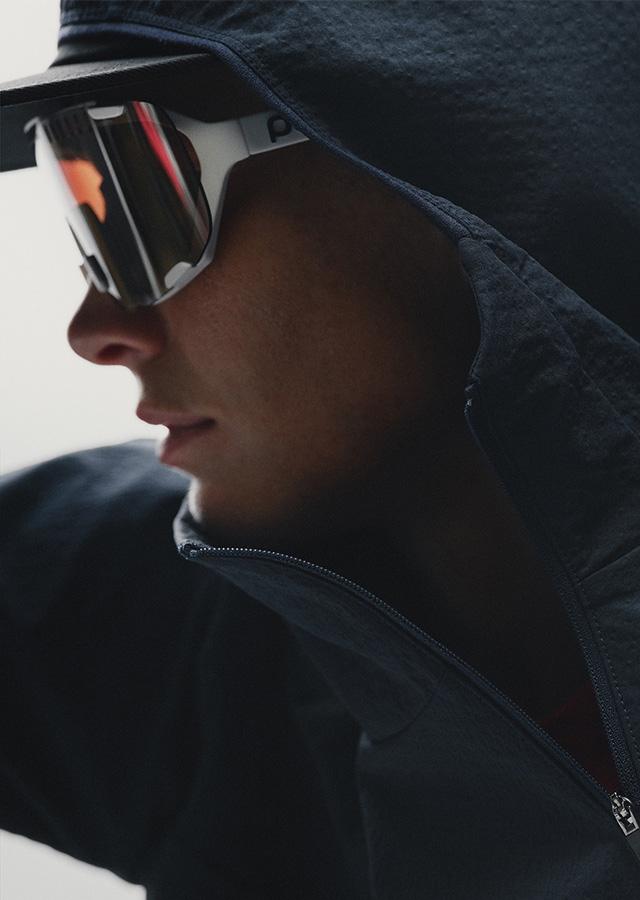
POC brand is a Swedish manufacturer specializing in the creation of advanced sports equipment, including cycling gear. The brand is known for its high-quality helmets and cycling glasses, which combine durability, comfort, and effective eye protection. POC glasses are designed with active cyclists in mind and feature lightweight, durable frames and lenses that provide full UV protection, good visibility, and contrast, improving comfort both on the road and off-road. Many models are also optimized to work with POC helmets, which further minimizes fogging and stabilizes the glasses on the head during intense exercise.
POC cycling glasses are distinguished by their large, curved lenses, which effectively protect the eyes from wind, dust, and insects without restricting the field of vision. The brand offers models with different styles and features, from sporty, high-performance models to more versatile and comfortable options for everyday training.
Some popular models of POC cycling glasses:
POC Elicit Toric – modern glasses with a wide field of vision equipped with Clarity Universal/Sunny Grey lenses. The glasses have ultra-light bio-grilamid frames, openwork temple construction, and replaceable nose pads, ensuring a secure fit and stability even during intense activity. The Ri-Pel coating protects against dirt, water, and sweat.
POC Devour – glasses with Clarity Trail/Partly Sunny Silver lenses (cat. 2) provide a wide, panoramic field of view and excellent color reproduction in the field. Clarity by Carl Zeiss technology improves the contrast of greens and browns, making it easier to quickly assess conditions on the trail. The Ri-Pel coating protects the lenses from moisture and dirt, while the UV400 filter effectively protects your eyes from UV radiation. Adjustable nose pads and temples ensure a stable, individual fit, and the quick lens exchange system makes the Devour a reliable choice for MTB trails.
What cycling glasses to choose – summary
Good cycling glasses are an essential piece of equipment for every cyclist. They provide effective protection for the eyes not only against UV radiation, but also against mechanical damage, small particles, branches, and insects, which translates into greater safety while riding. Properly selected models improve vision quality thanks to UV filters, glare reduction, and contrast-enhancing technologies, allowing you to react more quickly to changing conditions on the road. It is worth considering versatile solutions such as photochromic lenses or interchangeable lenses, which work well in different lighting and terrain conditions. The choice of glasses should be tailored to your needs and riding style, taking into account comfort, the type of lenses, and the specific routes you most often travel. Modern photochromic lenses, polarized lenses, or specialized optical solutions allow the glasses to adapt to the light and terrain, while ergonomic frames guarantee stability and comfort even during long, intense workouts. Cycling glasses are an piece of equipment that has a real impact not only on your comfort, but also on your safety during every cycling adventure.
 S'portofino Editorial
We are a team of fashion, sport and active lifestyle enthusiasts who enjoy sharing our knowledge and experience. We are united by our love of fashion and our desire to inspire others to a healthy and active lifestyle. Our aim is to provide valuable content to help you enjoy fashionable styling and your favourite sports. We believe that fashion and sport can go hand in hand to create a harmonious and fulfilling lifestyle!