Which bike helmet is the best? Check out the top picks
- S'portofino Editorial
- 05/11/2026
- You'll read the text in 13 minutes
In this article:
- What should you pay attention to when choosing a bicycle helmet?
- How to choose the right size for a bicycle helmet?
- What kind of helmet should you choose for cyclocross?
- What kind of helmet is suitable for MTB riding?
- Which gravel bike helmet is the best choice?
- What kind of helmet is best for city cycling?
- What kind of helmet is best for road cycling?
- What kind of bike helmet is best for a child?
- S’portofino’s bike helmet ranking
- Which bike helmet is best for you – a summary
The first warm rays of sunshine, the scent of spring in the air, and longer days encourage you to dust off your bike after the winter season. Remember, however, that before you head out for a ride—whether you’re riding a city bike or a road bike—safety is of the utmost importance. We’ve put together a guide for you on how to choose a bike helmet based on your riding style and what to look out for to ensure maximum safety.
What should you pay attention to when choosing a bicycle helmet?
Size
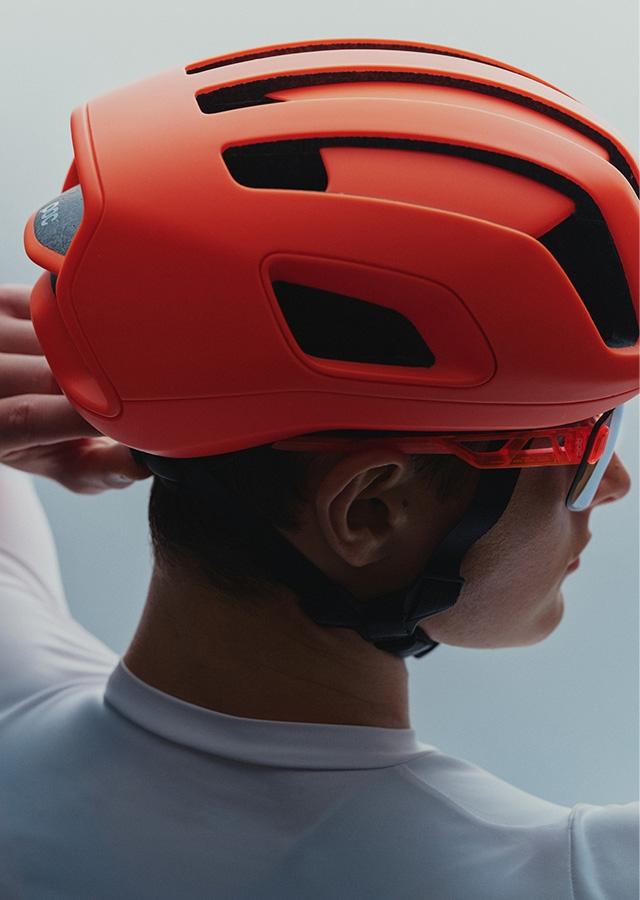
Size is the most important factor when buying a bicycle helmet. It is usually given in centimeters and refers to the circumference of the head. The circumference is measured across the forehead, over the ears, and around the back of the head. Above all, the helmet should not slip off your head, as this could result in serious injury, so pay special attention to this.
Ventilation
Ventilation is also important in a bicycle helmet. So pay attention to the ventilation holes, which ensure proper air circulation. This is especially important during long rides in high temperatures. You’ll definitely feel the difference if your helmet has them. A bicycle helmet should also have a special mesh that prevents insects from getting inside the helmet.
Visor
A visor is a practical feature of a bicycle helmet that increases riding comfort in various weather conditions. Its main purpose is to protect your eyes from direct sunlight, improving visibility and allowing you to focus better on the road. It works especially well when riding off-road, such as in the forest or on mountain trails, where light often filters through the trees. The visor also helps prevent raindrops or sweat from running into your eyes, and partially protects your face from mud and small debris kicked up by the wheels. In many helmets, it is adjustable or removable, allowing you to adjust its position to current conditions or your personal preferences.

Helmet construction
A bicycle helmet consists of an inner and an outer shell. The most commonly used technology is In-Mold, in which the outer shell is bonded to a foam liner. This results in greater durability and a reduced weight of the helmet. Another commonly used technology is the MIPS system, or Multi-directional Impact Protection System. It consists of an additional liner inside the helmet that fits directly against the head and is connected to the rest of the helmet. At the moment of impact, these connecting elements absorb some of the energy. Thanks to this solution, the risk of head injury in the event of an accident is significantly reduced.
Adjustment
It’s a good idea to get a helmet with a special adjustment system. This allows you to fit the helmet to the shape of your head. It’s usually a special dial located at the back of the helmet. In addition, every helmet naturally has chin straps, which shouldn’t pinch the skin behind your ears.
Weight
The rule is simple: the lighter, the better—especially when it comes to something you wear on your head for hours on end. A lighter helmet enhances riding comfort and reduces neck strain, which is particularly important during long rides or intense training sessions. However, it’s worth remembering that low weight shouldn’t be the most important factor when choosing a helmet—safety, build quality, and a proper fit remain key. If your rides are mostly short or recreational, the difference in weight may be practically imperceptible. However, during rides or training sessions lasting several hours, every gram counts – even 100 grams less can improve comfort and relieve strain on your neck muscles.
Standard road helmets typically weigh around 250–300 grams, as they are designed for maximum lightness and good ventilation. MTB helmets are usually slightly heavier—their weight often falls within the 320–400-gram range, due to a larger protective surface area, additional reinforcements, and the presence of a visor. It’s also worth noting that the weight of a helmet is influenced by the technologies and materials used. Models with additional safety systems, such as MIPS, may be slightly heavier but offer better protection in the event of a fall. Therefore, the best choice is to find a balance between weight, protection level, and comfort.
How to choose the right size for a bicycle helmet?
To choose the right bicycle helmet, first measure the circumference of your head. It’s best to do this using a tape measure. Wrap the tape measure around your head about 1–2 centimeters above your eyebrows, over your ears, and across the widest part of the back of your head. The measurement in centimeters will help you determine the correct helmet size. After measuring your head circumference, compare the result with the size chart provided by the helmet manufacturer. In most models, sizes are marked with the letters S, M, and L. Typically, size S corresponds to a head circumference of approximately 51–54 cm, size M to approximately 55–58 cm, and size L to approximately 59–62 cm; however, the exact ranges may vary slightly depending on the brand. When worn, the helmet should fit snugly against your head but should not cause pressure or cause discomfort. It should sit straight and cover the top of your forehead, not be shifted backward. The helmet should not move when you move your head. Most bicycle helmets have an adjustment dial at the back that allows for a precise fit to the head circumference. You should also fasten the chin straps properly so that they are snug but leave a small amount of space to allow for easy breathing and speaking.
What kind of helmet should you choose for cyclocross?
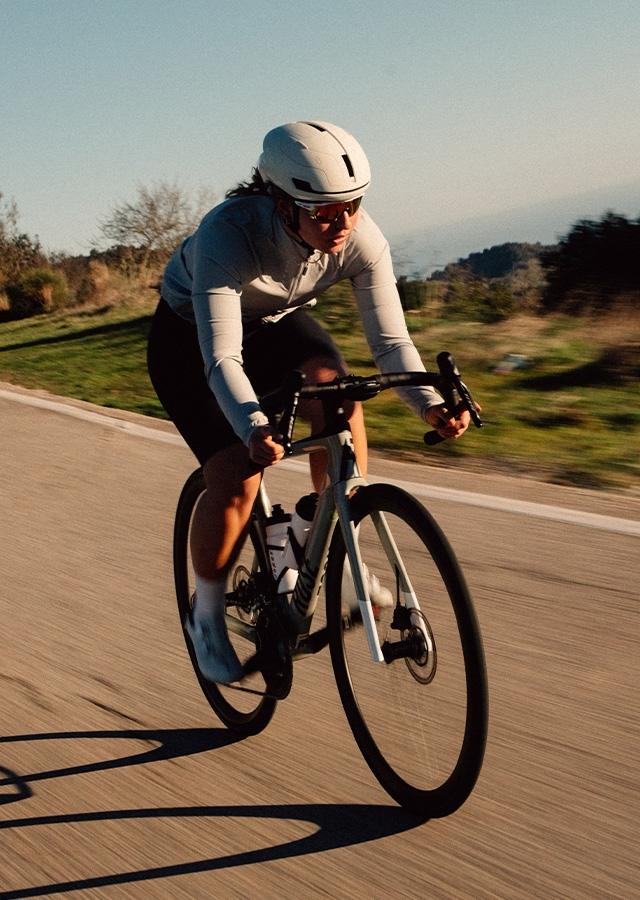
When choosing a cyclocross helmet, pay special attention to the back of the head. For cyclocross riding, it’s best to choose a full-face helmet with space for goggles. This is a rather demanding sport full of obstacles. You have to take into account obstacles such as broken branches, trees, or rocks, so you may also choose a full-face helmet, which will also protect your jaw. It’s also worth paying attention to the helmet’s ventilation. During intense off-road riding, an adequate number of vents and air channels allows heat to be effectively dissipated and increases riding comfort. The adjustment system is also important, as it allows for a precise fit to the shape of your head. This ensures the helmet remains stable even when riding over uneven terrain. An adjustable visor is an added bonus, protecting your eyes from the sun, mud, and branches.
What kind of helmet is suitable for MTB riding?
An MTB helmet is designed for off-road riding, on trails, and over all kinds of uneven terrain. As you can imagine, these are fairly demanding riding conditions, so a helmet that ensures safety is essential. Road helmets are used for MTB riding, but often in a version with a more enclosed back. Of course, they are slightly heavier, but ventilation holes often take up a significant portion of the weight, so you won’t really feel the extra few grams. It’s important that an MTB helmet is equipped with a special mesh that prevents insects from getting inside the helmet—and as you know, in such demanding conditions, they can easily get in.
Which gravel bike helmet is the best choice?
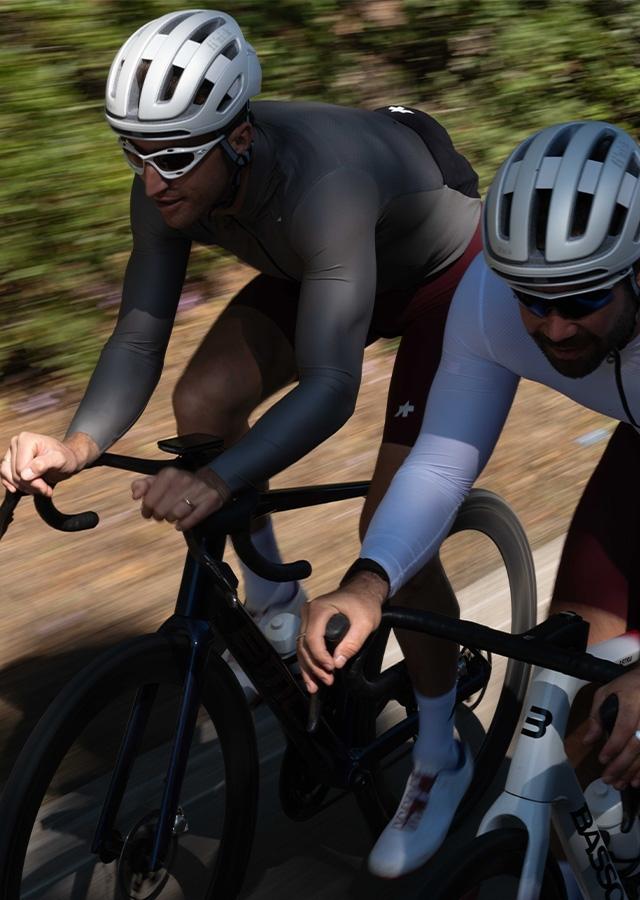
Gravel biking is a combination of mountain biking and road biking. It combines long distances, fast riding on asphalt, and more challenging sections on gravel or forest trails. That's why a gravel helmet should provide good ventilation and the lightweight feel typical of road models, while also offering solid head protection when riding on more challenging terrain. A properly chosen model increases comfort during long rides and enhances safety.
What kind of helmet is best for city cycling?
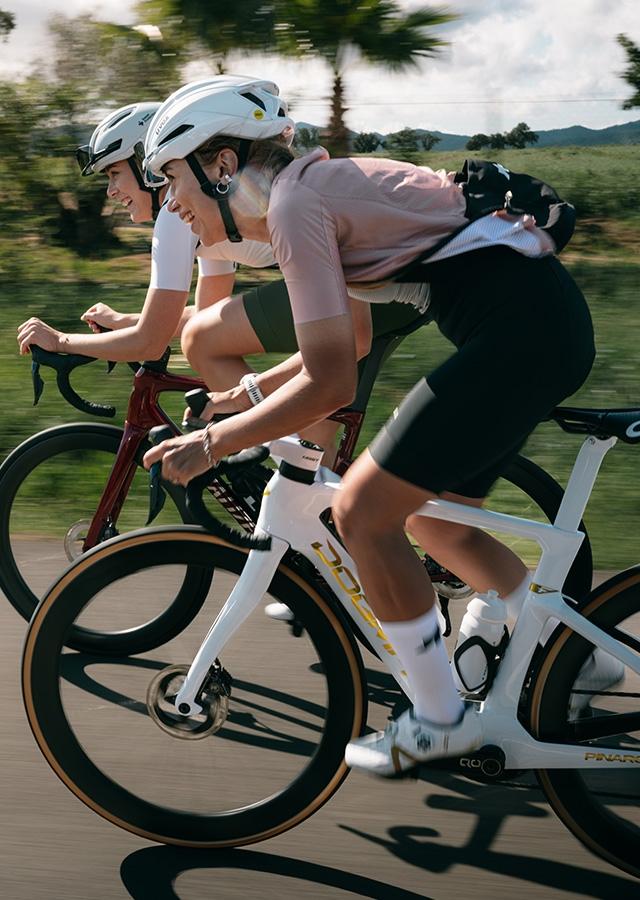
A city cycling helmet should, above all, be comfortable, lightweight, and well-suited for everyday riding around town. Unlike helmets designed for sports or mountain biking, city models typically have a simpler construction and a more versatile design. This is due to the nature of riding in urban areas—bike paths are often crowded, and speeds reached during leisurely commutes to work, school, or shopping are usually lower than during sports riding. This does not mean, however, that a city bike helmet can be less safe. It should meet applicable safety standards, such as the European standard EN 1078, which specifies requirements for head protection while cycling. The helmet’s construction should effectively absorb impact energy and protect the head in the event of a fall or collision. Comfort is also of great importance. A city helmet should be lightweight so as not to cause discomfort during longer rides.
It is worth paying attention to the head circumference adjustment system, most often in the form of a dial located at the back of the helmet. This allows you to easily adjust it to the shape of your head and ensure a stable fit while riding. Equally important are adjustable chin straps that keep the helmet in place without causing pressure. A helmet designed for urban riding should also provide adequate ventilation. Ventilation openings allow for free airflow and prevent the head from overheating, which is particularly important when riding on warmer days. Many models also feature soft inner liners that enhance comfort and can be removed for washing. It’s also worth paying attention to features that improve a cyclist’s visibility in urban traffic. Bright helmet colors, reflectors, or built-in LED lights can significantly increase safety, especially when riding after dark or in difficult weather conditions.
What kind of helmet is best for road cycling?
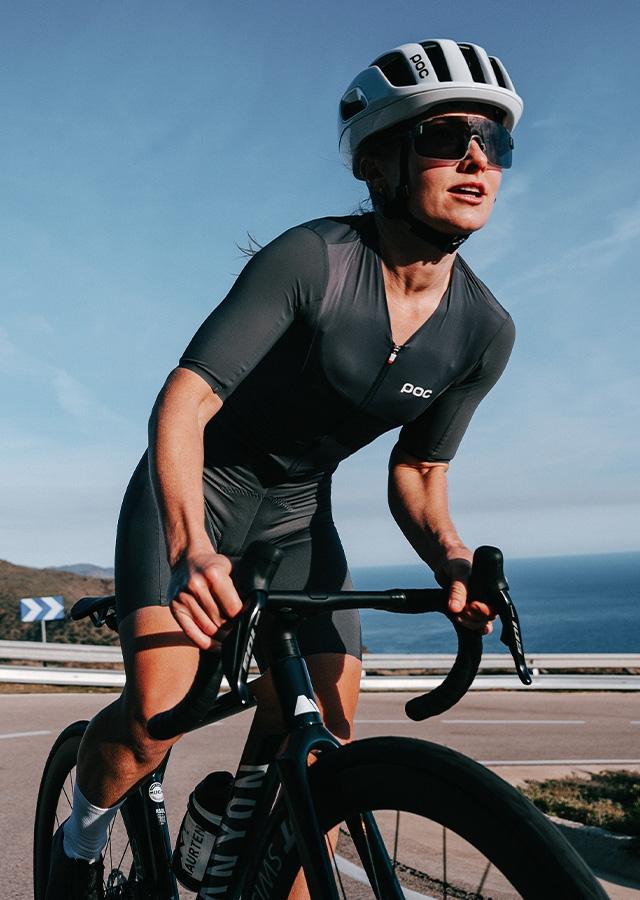
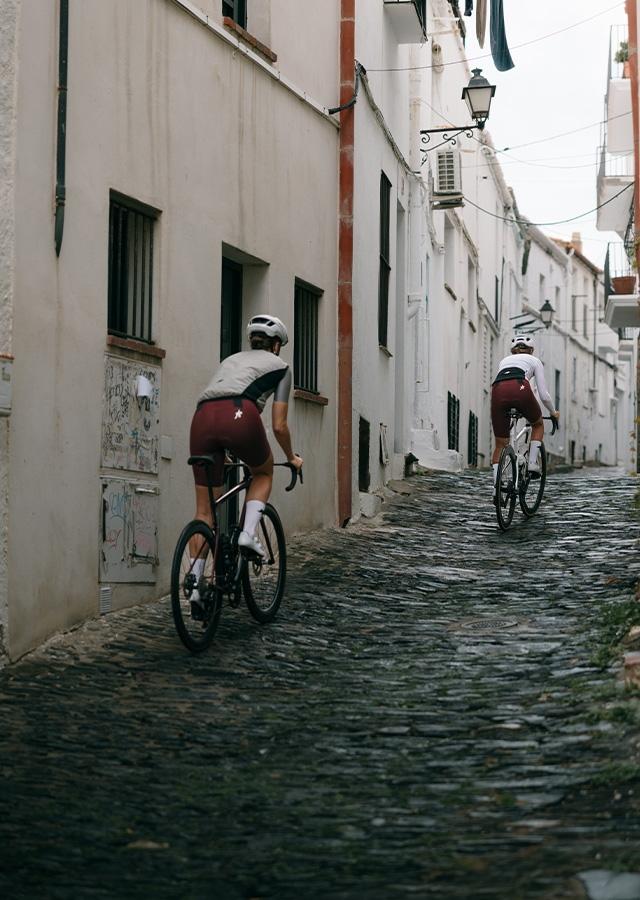
Road cycling helmets have a fairly distinctive, aerodynamic shape with an elongated rear section. One advantage of road helmets is their low weight, and as we’ve already mentioned, every extra gram counts when cycling. When choosing a road bike helmet, pay attention first and foremost to the number of ventilation holes and the shape of the shell. These elements affect the helmet’s ventilation and aerodynamics. The more closed the helmet is, the more aerodynamic it will be and the faster you’ll be able to ride. The helmet’s shape is well-suited to the road cyclist’s deeply hunched posture. It’s worth noting that a road helmet doesn’t have a visor, as this could restrict your field of vision.

What kind of bike helmet is best for a child?
Children’s bike helmets differ from adult ones not only in size but also in safety certifications that meet European Union requirements. Helmets for children under 7 years of age should comply with the PN-EN 1080:1997 standard, which sets specific safety requirements for the youngest users. A child’s helmet should, above all, fit the head circumference properly. It must not be too tight or too loose, otherwise it will not provide adequate protection. When worn, it should fit snugly against the head and not shift during movement. Its correct positioning is also important—the helmet should be worn straight and cover the upper part of the child’s forehead.
When choosing a bicycle helmet for a child, it is worth paying attention to the fastening method and adjustability. Many models have an adjustment dial at the back that allows the helmet to be precisely adjusted to the head circumference. The chin straps should be comfortable and securely hold the helmet in place without causing discomfort. The weight of the helmet is also important. It should be lightweight so as not to put excessive strain on the child’s head while riding. Good ventilation is equally important, as it prevents the head from overheating during spring and summer rides. Many models also feature soft inner liners that enhance comfort and are often removable for cleaning. It’s also a good idea to pay attention to the helmet’s color and reflective elements, which improve the child’s visibility on the road. When it comes to protective technologies, children’s helmets do not differ significantly from adult models—their purpose is to effectively absorb impact energy and protect the head in the event of a fall. It’s also worth remembering that a helmet should be replaced after a strong impact or accident, even if no damage is visible at first glance.
See the collection of cycling helmets available at S’portofino.
S’portofino’s bike helmet ranking
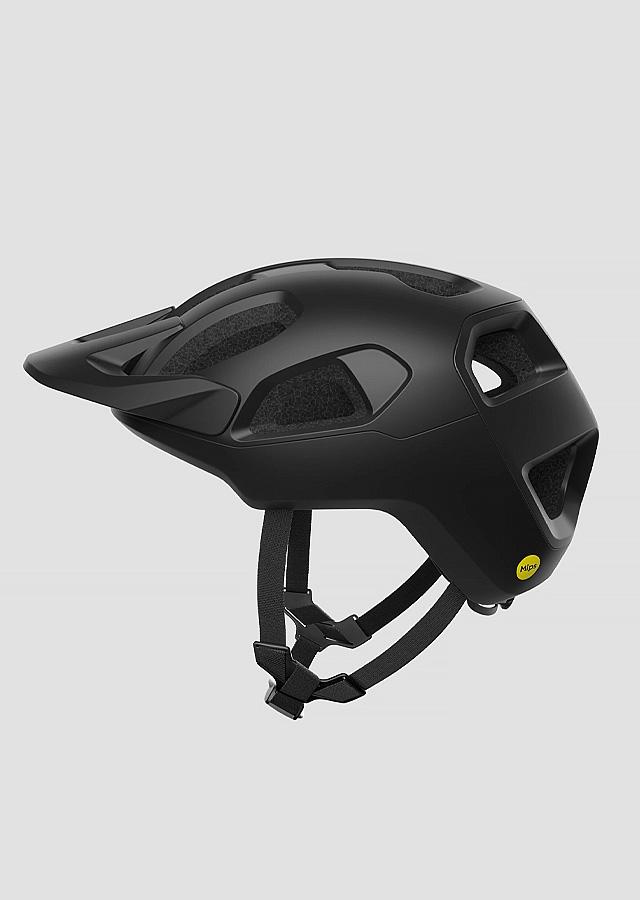
POC Cularis bike helmet
POC Cularis designed for trail and cross-country riding, combining low weight with a high level of protection. The construction, featuring a polycarbonate shell and an EPS liner, is complemented by the MIPS Air Node system, which helps reduce rotational forces acting on the head during a fall. The helmet also stands out for its excellent ventilation and lightweight construction, making it ideal for long and intense off-road rides. An adjustable fit system and a practical visor that enhances comfort on the trail.
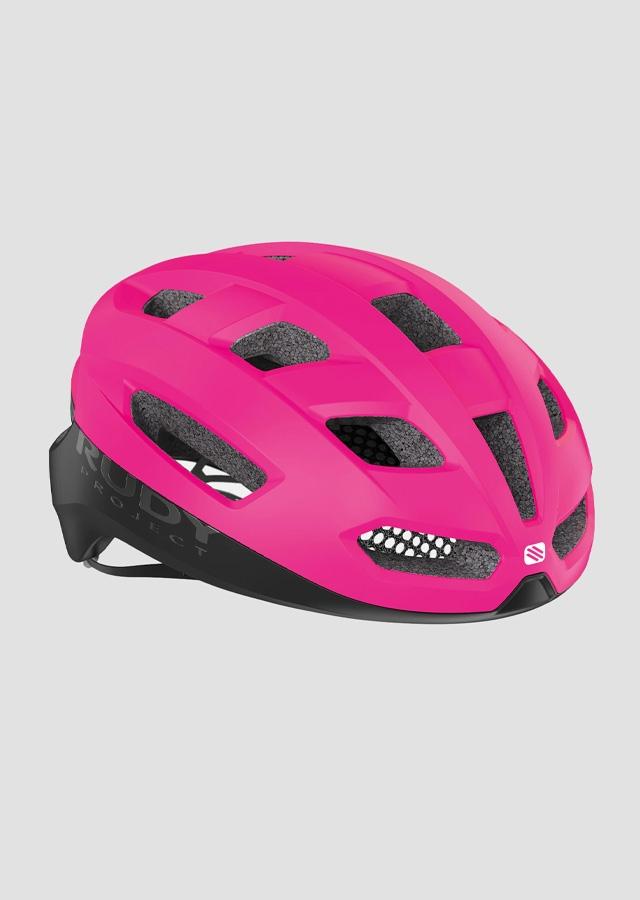
Rudy Project Skudo
**Rudy Project Skudo **is a lightweight and versatile cycling helmet designed for road, gravel, and urban riding. It provides a high level of protection while remaining comfortable even during long rides. The helmet features an efficient ventilation system with numerous vents, which helps maintain a comfortable head temperature during intense rides. Additionally, the helmet is equipped with an RSR adjustment system that allows for a precise fit to the shape of the head, as well as reflective elements that increase visibility on the road.
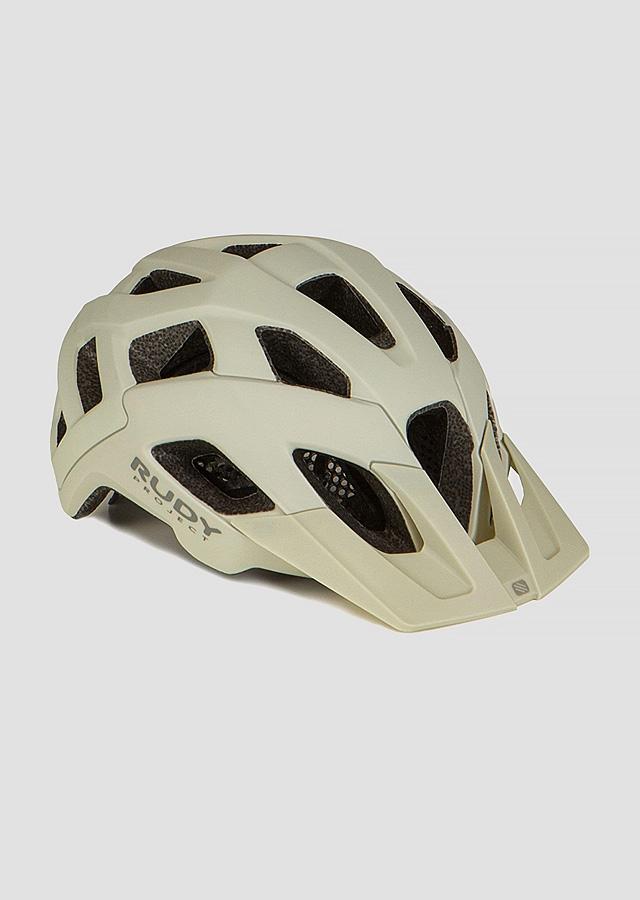
Rudy Project Crossway
Rudy Project Crossway is a lightweight MTB helmet designed for trail and cross-country riding. The In-Mold construction with a polycarbonate shell and EPS liner provides good protection while keeping the weight low, and the extended rear section better protects the back of the head. The helmet features as many as 23 ventilation ports, which support effective airflow and help maintain thermal comfort during intense riding. The helmet is complemented by the RSR 10 adjustment system, which allows for a precise fit to the shape of the head, and an integrated visor that enhances comfort on the trail.
Which bike helmet is best for you – a summary
Choosing a bike helmet depends primarily on the type of riding you do. If you are looking for a helmet for city biking, MTB, or gravel riding, you should pay attention to slightly different design and functional features. City hemlets prioritize comfort and a versatile look, MTB helmets offer greater protection and often come with a visor to shield against the sun or branches, while gravel helmets combine the lightness and good ventilation of road helmets with greater protection off-road. When choosing a helmet, it’s important to pay attention primarily to its weight, ventilation system, shell construction, the presence of a visor, and the proper size and fit for your head. The adjustment system is also crucial, as it allows you to precisely adjust the helmet, thereby increasing riding comfort and safety. A well-chosen bicycle helmet not only protects your head in the event of a fall but also improves comfort while riding, especially on longer routes. That’s why it’s worth taking a moment to choose the right model, one that suits your riding style, the conditions in which you most often ride, and your individual preferences.
 S'portofino Editorial
We are a team of fashion, sport and active lifestyle enthusiasts who enjoy sharing our knowledge and experience. We are united by our love of fashion and our desire to inspire others to a healthy and active lifestyle. Our aim is to provide valuable content to help you enjoy fashionable styling and your favourite sports. We believe that fashion and sport can go hand in hand to create a harmonious and fulfilling lifestyle!
 03/18/2026
Which cycling glasses should you choose? S’portofino ranking
Which cycling glasses should you choose? Discover the suggestions by S'portofino.S'portofino Editorial 06/18/2025
What are the benefits of cycling? See the 6 advantages for your health and well-being.
Cycling is one of the most popular activities. What does it give? See 6 benefits and hit the road.S'portofino Editorial